Wednesday, January 13, 2021

City Home Repair Program Fails 92-Year-Old Woman

Dallas residents who’ve already paid or hired a contractor to repair home damage can also apply. The city will also give out grants as reimbursements through the city’s housing department. Residents who qualify for the program have two options for assistance – the rebate program or the nonprofit program. Under the rebate program, Dallas residents who paid a licensed contractor to repair damages to their homes are eligible for reimbursement up to $10,000.

city of dallas home repair program

As the City programs have done nothing to help Ms. Mayes, a GoFundMe has been created to raise money for her home repairs. If you would like to contribute to her fundraiser, you can do so here. Mayes said she has received no help after applying twice to the City’s Major Home Rehabilitation Program, which offers a zero-interest forgivable loan to homeowners of up to $73,170. Living alone and on a fixed income, Jackson says to try to cover expenses and meet all of the criteria for the programs — it is not enough. DART Rides is a rider assistance program for registered residents of qualified cities or ZIP codes who are age 65 or over OR have a certified disability. The City of Dallas Senior Medical Transportation Program updated its client service model to provide clients an on-demand service in partnership with Dallas Area Rapid Transit through its DART Rides Rider Assistance Program .

City of Dallas Office of Homeless Solutions and partners work to bring neighbors in from the cold

Why can’t she get some of her CITY TAX MONEY BACK, of course you have no problem with her CITY TAX MONEY going to Goldman Sachs,her tax money don’t go to her, neighbors, family members, or church. In June, the City Council approved giving $18 million in taxpayer-funded economic incentives to Goldman Sachs to build a new office building in the city. Less than a year earlier , the City hired William G. Mundinger, a former Goldman Sachs executive, as the executive in residence for the Department of Sustainable Development and Construction .

city of dallas home repair program

She was denied the first time because she was unaware of a lien on the property when the City had previously cut her lawn. This year, she submitted the West Dallas TRP application prior to applying for HIPP, which disqualifies her from eligibility because HIPP does not allow applicants to receive funding from another program simultaneously. These improvement programs are helping to improve the housing quality to better the overall well being of residents, says Ashley Flores, who focuses on local housing inequities as a senior director at the Child Poverty Action Lab.

Age-Friendly Dallas Plan

The total funding available that the city can distribute is $2 million. The program will help residents pay for wall and floor removal, water damage from broken pipes, sewer and gas lines, mold removal and damage to electrical systems. Applicants that meet the eligibility requirements listed below and have already hired a licensed contractor are eligible to have up to $10,000 reimbursed to them. The program will reimburse 100% repair costs for low- to moderate-income homeowners.
city of dallas home repair program

Atkins thinks the program is great, but fears that news of the program will not reach residents without the internet. An exemption removes part of the value of your property from taxation and lowers your taxes. As approved by City Council on April 13, 1988, the City grants a homestead exemption of 20 percent of the market value of residence homesteads or $5,000 whichever is greater. Additionally, the City grants an additional exemption of $107,000 on homesteads of taxpayers who are disabled or age 65 or older.

MainTitleHeader​Home Repair License

DW is here to be the leading voice for Black social and cultural news in the South. Erickson agrees that the City has to continue to build good relationships with the people in the communities they serve. However, while doing the work, the contractor removed siding from various parts of the home in order to excavate underneath, but installed new siding panels only along the kitchen and left it feeling incomplete, Boyd says. She pointed out the other areas could have been covered as well, but it was not budgeted as part of the City grant. Williams lives in Dallas' Pleasant Grove neighborhood and hopes the city will do it's best to reach the most vulnerable.

The program will end whenever the entire $2 million has been committed and spent, Erickson says. "This program is crucial to families who may not have the means to repair or restore their homes after sustaining damage from the 2021 Winter Storm," said Director of Housing & Neighborhood Revitalization David Noguera. "The city, along with its federal, state and county agencies are committed to finding resources to meet the needs of our low-to-moderate income homeowners." West Dallas Targeted Rehab Program, a City of Dallas neighborhood revitalization effort designed to provide financial assistance for home repairs.

Senior Services also provides staff support to the City of Dallas Senior Affairs Commission and its five working committees (Safety & Health, Budget, Social Needs, Transportation, and Housing). The programs and resources listed below help homeowners with home repairs and improvements. Rayella Delley Boyd stands in front of her home on Monday, Oct. 31, 2022. She qualified for the West Dallas Targeted Rehab Program and received foundation repairs.

It has to be a priority, we’re going to push to make it a priority,” he told The Dallas Express, adding that he sees no sense of compassion, empathy, or care from the current City Council. West Dallas residents need programs to help “overcome decades of disinvestment” to ensure they can “stay safely and securely in their homes that have been part of their families for generations,” Flores says. Rayella Delley Boyd, 66, president of Neighbors of Homestead, is a West Dallas TRP success story.

It’s been nearly two years, however, and the program hasn’t been able to spend those city tax dollars, despite the great needs among aging homes in the seven Census tracts of West Dallas the program targets. The Office of Community Care Senior Services caseworkers provide referrals and information to at-risk seniors needing resources for elder abuse, housing, health and dental care, utility assistance, transportation and other social services. Homeowners who lack funding to pay up front for repairs are eligible to apply through the city's nonprofit partners for assistance. Each nonprofit organization receiving grant funding from the city is required to administer case management and procure contractors. The maximum assistance amount provided under Minor Home Repair Grant Program is $10,000, which includes up to $5,000 provided by the city, and up to $5,000 in matching grant funding provided by the non-profit partner.

city of dallas home repair program

The applicant must also correct all code violations that exist on the property. At a Dallas City Council meeting, a 92-year-old woman approached the council to share that she has been living in poor conditions for years and has received no help from the city, despite twice applying to Dallas’ home repair program. The City of Dallas is helping to fund emergency repairs for low and moderate income residents whose homes were damaged during last week’s winter storms. The program launched in December 2020 with $2 million — enough to tackle repairs for at least 200 homeowners.

Allows for grants to be given to homeowners for minor home repairs up to $4,999.00 in the City of Dallas. My friend Carol Day had a similar problem trying to get help from this agency. The entire application process was difficult to navigate, and getting the application turned in in person was difficult for her to accomplish since she could not drive. Once the application is turned in, there is no response at all, no way to find out the status of the application, n. One gets the impression that the applications are just thrown in a box somewhere. Carol had tried many agencies looking for help, but the process of navigating all the different agencies is very confusing for those seeking help, especially when there are disabilities.

The maximum assistance amount provided is up to $10,000 in the form of a grant, which includes up to $5,000 provided by the City, and up to $5,000 in matching grant funding provided by the non-profit partner. There is no lien placed on the homeowner’s property and there is no affordability period. The program is currently limited to homeowners with incomes at or below 80 percent (80%) AMFI. Home Reconstruction Program provides the homeowner with a new home on their current property and assistance is provided in the form of a loan. The homeowner must certify annually the home is not for sale and is their primary residence until the loan is repaid to the city in full. Housing Reconstruction Program assistance is provided in the form of a loan.

Heritage Chilliwack launches new grant for heritage home owners Chilliwack Progress

Seniors, veterans and the disabled also may qualify for an additional grant of up to $275. Government has raised the threshold to qualify for the full home owner grant to shield some owners from a higher property tax bill. Owners will also be notified of these program administration changes on the property tax notice, on the City of Chilliwack’s website and social media accounts. “The Province is taking over administration of the home owner grant program starting this year to make it faster and easier for homeowners to apply,” said Sonia Lowe, media spokesperson for Ministry of Finance. • Keep property tax notice on hand with info you’ll need to apply. Seniors whose property tax bills have skyrocketed over the years also have the option of deferring property taxes until the eventual sale of the home.

​The grant threshold is the maximum value of an assessed or partitioned property where home owners are eligible to claim the full home owner grant. Most eligible property owners qualify for the regular grant . In 2021, the home owner grant application process changed, but program details and eligibility requirements have not changed.

Apply for the multiple home owner grant

If you have missed the deadline to apply for the Provincial Home Owner Grant for the previous year, you can still apply for the grant if you are the registered owner of the property at the time of application, and reside at the property on December 31. The partitioned value of a property is the property’s assessed value divided by the number of residences on that property. To qualify, each residence must have cooking, sleeping, bathroom and living room facilities. You may be able to claim the full regular grant amount if your property has an assessed or partitioned value of $1,975,000 or less.

city of chilliwack home owner grant

Property tax notices will start arriving in Chilliwack mailboxes after May 25, 2021. • up to $845 for homeowners who are 65 years or older, or the homeowner is a person with a disability or lives with a relative who has a disability. The program for rural home owners is administered provincially, so this will streamline efforts further. You may also be able to apply for a retroactive grant if you qualified last year but didn't apply. If you are buying or selling a property, there are other factors that will determine the amount you can claim for the home owner grant. If you own more than one home, you can't designate which one is your principal residence.

Home owner grant

“Formal designation is a legislative tool and a way of publicly acknowledging a home or building’s historic value to our community,” said Reid. B.C. Real Estate Association chief economist Cameron Muir said the loss of the home owner grant for some property owners is unlikely to impact the market. Centralization will also address concerns raised by municipalities over the “burden of program administration” as well as offering online access, phone service, and quicker processing. Instead applications will go directly to the province starting in May 2021, using a new online system that is part of a recent provincial “centralization” effort, according to a Ministry of Finance media spokesperson. To avoid the second 5% late payment penalty on the HOG portion of your taxes, you MUST submit your completed Grant application by August 3, 2022.

Properties assessed over the threshold may receive a partial grant . The home owner grant reduces the amount of property tax you pay for your principal residence. The 2021 Home Owner Grant threshold is set at $1.625 million.

Apply

If you arebuying or selling your property, ensure you meet all requirements before claiming the home owner grant. Heritage Chilliwack Society just announced a new Heritage Designation Grant of up to $500, to cover the municipal application fees. More than 76,600 Surrey homes received the grant in 2014, compared to 63,425 homes in the more populous City of Vancouver. Finance ministry data provided to Black Press shows residents of more affordable areas of the Lower Mainland are much more likely to claim the home owner grant than those in the priciest areas such as Vancouver and the North Shore. Sign up for a free account today, and receive top headlines in you inbox Monday to Saturday.

city of chilliwack home owner grant

The change will prevent ineligible homeowners from being penalized for late payments by enabling them to confirm eligibility before taxes are due, according to the ministry. It will also prevent fraud by preventing multiple applications for grants by owners of multiple properties in different jurisdictions. The grant is available to homeowners who pay property taxes to a municipality, or to the province if they live in arural area. If you pay your property taxes to a First Nation, contact the First Nationdirectly.

The grant amount is reduced by $5 for every $1,000 your property value is over the threshold. If you have received a Notice of Disentitlement that indicates you're not eligible for a home owner grant, find outhow to pay your outstanding balance. Laneway homes and multi-family dwellings like a duplex, triplex and fourplex qualify as separate residences. A suite in your principal residence doesn’t qualify as a separate residence. Roperties assessed higher than $2,144,000 ($2,184,000 in a northern and rural area), are not eligible for a home owner grant.

city of chilliwack home owner grant

You must apply for the home owner grant each year to receive it. You can apply to have the assessed value of your property partitioned using theHome Owner Grant Partitioning application. To qualify for the home owner grant, your principal residence must be taxed as an improvement.

Your grant amount may be adjusted to ensure the minimum amount of annual taxes are paid. “To avoid the second five per cent late payment penalty on the HOG portion of your taxes, you must submit your completed Grant application by August 3, 2021. Stories of Chilliwack homeowners waiting several hours to get through to provincial officials on the phone are being reported. The revised threshold is $1.2 million and homes above that lose $5 of the grant for every $1,000 in additional value. The regular grant is eliminated on properties assessed at $2,089,000 or more.

city of chilliwack home owner grant

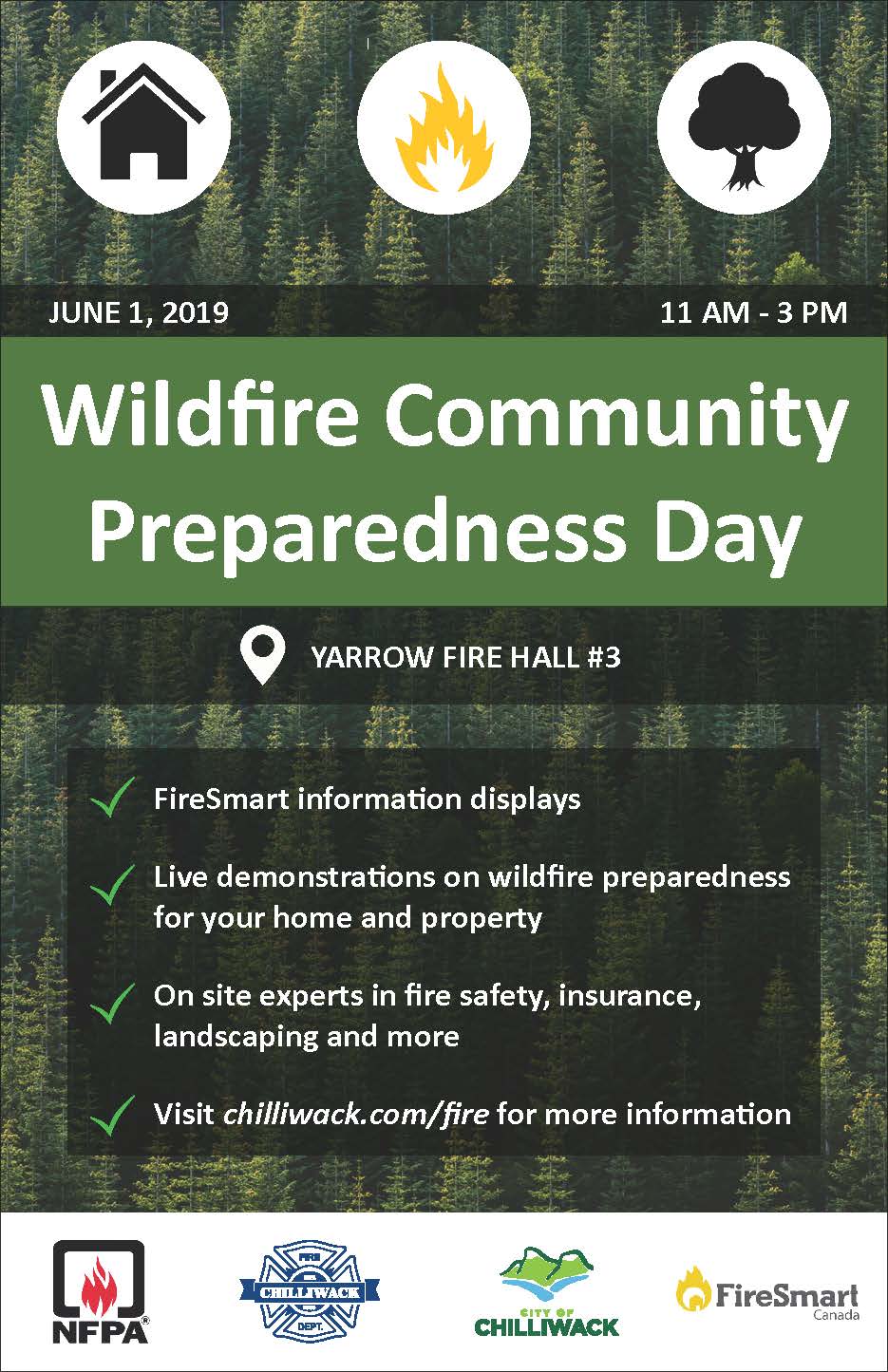
The multiple home owner grant allows property owners to apply for the home owner grant on behalf of eligible occupants living in their building or on their property. The Home Owner Grant is a provincial subsidy program that reduces the amount of property tax you pay for your principal residence. Property owners must meet eligibility requirements and complete an application each year. Property owners must pay at least $350 in property taxes to help fund services such as road maintenance and police protection. The best time to apply is after receiving property tax notices in the mail, and before the due date. So although residents still pay taxes through the City of Chilliwack, the homeowner grants are now a provincially administered program with the deadline of July 2.

Apply for the home owner grant

For the purpose of claiming the home owner grant, you can have only one principal residence. The regular grant amount is $570 for properties located in the Capital Regional District, the Metro Vancouver Regional District and the Fraser Valley Regional District. “Many heritage buildings have character defining elements and often contain historic materials and unique architectural features that are difficult and expensive to replicate. The fee for City of Chilliwack is currently $320 to make an application, and the grant offers up to $500.

The goal is ensuring the same percentage of homeowners continue to be eligible across the province, according to the ministry. As of 2021, all applications must be submitted to the Province. City of Chilliwack residents no longer apply for the retroactive home owner grant at our office.

Sometimes homeowners seek designation to express their pride of ownership and to conserve the properties for future generations. That means eligible homeowners in Chilliwack will no longer be applying for their grants through City of Chilliwack come spring. The homeowner grant program has been taken over by the Province of B.C.

city of chilliwack home owner grant

Friday, September 4, 2020

Incredible Can I Go To Dentist During Covid 19 References

Coronavirus Dental practices to reopen from 8 June BBC News
Coronavirus Dental practices to reopen from 8 June BBC News from www.bbc.com

Are you wondering if it's safe to go to the dentist during the COVID-19 pandemic? You're not alone. Many people have concerns about visiting healthcare facilities, including dental clinics, due to the risk of exposure to the virus. In this article, we will explore the topic of going to the dentist during COVID-19 and provide you with all the information you need to make an informed decision.

The Pain Points of Going to the Dentist During COVID-19

One of the main concerns people have about going to the dentist during the COVID-19 pandemic is the risk of contracting the virus. Dental clinics are considered high-risk environments due to the close proximity between the dentist and the patient, as well as the use of tools that generate aerosols. Additionally, many people worry about the safety protocols in place at dental clinics and whether they are sufficient to prevent the spread of the virus.

Can I Go to the Dentist During COVID-19?

The answer to whether you can go to the dentist during COVID-19 is yes. Dental clinics have implemented strict safety protocols to minimize the risk of COVID-19 transmission. These protocols include pre-screening patients for symptoms, taking temperature readings, requiring the use of masks, practicing social distancing in waiting areas, and increasing the frequency of cleaning and disinfection. Dentists and dental hygienists also wear personal protective equipment (PPE) to protect themselves and their patients.

Summary of Can I Go to the Dentist During COVID-19

In summary, it is safe to go to the dentist during the COVID-19 pandemic as long as you follow the recommended safety protocols. Dental clinics have implemented strict measures to minimize the risk of transmission, and dentists and dental hygienists are taking all necessary precautions to protect themselves and their patients. By adhering to these safety guidelines, you can receive the dental care you need while minimizing the risk of COVID-19 exposure.

Personal Experience of Going to the Dentist During COVID-19

I recently visited my dentist for a routine check-up during the COVID-19 pandemic, and I was impressed by the safety measures in place. Upon arrival, I had my temperature checked and was asked to sanitize my hands. The waiting area had been rearranged to ensure social distancing, and everyone was wearing masks. The dental staff wore full PPE, including face shields, gowns, and gloves. During the treatment, I felt safe and well-protected. The dental clinic had clearly taken all necessary precautions to ensure the safety of their patients and staff.

Going to the dentist during COVID-19 is a necessary part of maintaining good oral health. Regular dental check-ups and cleanings are important for preventing dental problems and catching any issues early on. Dental clinics have implemented strict safety protocols to protect their patients and staff, so you can feel confident in receiving the care you need.

What is Can I Go to the Dentist During COVID-19?

Can I go to the dentist during COVID-19 refers to the question of whether it is safe to visit a dental clinic for routine check-ups, cleanings, and other dental procedures during the ongoing pandemic. Many people have concerns about the risk of COVID-19 transmission in healthcare settings, including dental clinics, and are unsure if it is advisable to seek dental care at this time.

Visiting the dentist is an important part of maintaining good oral health. Regular check-ups and cleanings can help prevent dental problems and catch any issues early on. However, the COVID-19 pandemic has raised concerns about the safety of healthcare facilities, including dental clinics. It is important to understand the safety protocols in place at dental clinics and the steps you can take to protect yourself and others during your visit.

The History and Myth of Can I Go to the Dentist During COVID-19

The history of going to the dentist during COVID-19 is relatively recent, as the pandemic began in 2020. Initially, many dental clinics closed or limited their services to emergency procedures only to minimize the risk of COVID-19 transmission. However, as more information became available about the virus and its transmission, dental clinics started to reopen and resume routine dental care with enhanced safety protocols in place.

There are some myths and misconceptions surrounding going to the dentist during COVID-19. One common myth is that dental clinics are high-risk environments for COVID-19 transmission. While dental clinics do carry some risk due to the close proximity between the dentist and the patient, the strict safety protocols in place help minimize this risk. Another myth is that dental treatments can weaken the immune system and make individuals more susceptible to COVID-19. There is no scientific evidence to support this claim, and dental treatments are considered safe for most individuals.

The Hidden Secret of Can I Go to the Dentist During COVID-19

The hidden secret of going to the dentist during COVID-19 is that dental clinics have implemented rigorous safety protocols to protect their patients and staff. These protocols include pre-screening patients for symptoms, taking temperature readings, requiring the use of masks, practicing social distancing in waiting areas, and increasing the frequency of cleaning and disinfection. Dentists and dental hygienists also wear personal protective equipment (PPE), such as masks, gloves, and face shields, to minimize the risk of transmission.

By following these safety protocols, dental clinics have been able to provide essential dental care to their patients while minimizing the risk of COVID-19 transmission. The hidden secret is that dental clinics are well-prepared and equipped to handle the challenges posed by the pandemic, ensuring the safety and well-being of everyone who walks through their doors.

Recommendations for Can I Go to the Dentist During COVID-19

If you are considering going to the dentist during COVID-19, here are some recommendations to ensure a safe and comfortable experience:

- Research the dental clinic's safety protocols before your visit. Make sure they are following the recommended guidelines and taking all necessary precautions.

- Call the dental clinic ahead of time to inquire about their safety measures and ask any questions or concerns you may have.

- Follow all safety guidelines and protocols during your visit, such as wearing a mask, practicing social distancing, and using hand sanitizer.

- Be honest about your health status and any COVID-19 symptoms you may be experiencing. The dental clinic needs this information to provide appropriate care and protect other patients and staff.

More Details About Can I Go to the Dentist During COVID-19

When it comes to going to the dentist during COVID-19, there are several factors to consider. Firstly, dental clinics have implemented strict safety protocols to minimize the risk of COVID-19 transmission. These protocols include pre-screening patients for symptoms, taking temperature readings, requiring the use of masks, practicing social distancing in waiting areas, and increasing the frequency of cleaning and disinfection. Dentists and dental hygienists also wear personal protective equipment (PPE) to protect themselves and their patients.

Secondly, it is important to prioritize your oral health and not neglect routine dental check-ups and cleanings. Regular dental visits can help prevent dental problems and catch any issues early on. Delaying dental care can lead to more serious dental problems in the future, which may require more extensive and costly treatments.

Thirdly, it is crucial to follow all safety guidelines and protocols during your dental visit. This includes wearing a mask, practicing social distancing, using hand sanitizer, and following any additional instructions provided by the dental clinic. By following these guidelines, you can help protect yourself and others from COVID-19.

Tips for Can I Go to the Dentist During COVID-19

If you are unsure about going to the dentist during COVID-19, here are some tips to help you make an informed decision:

1. Research the safety protocols in place at dental clinics in your area. Look for clinics that have implemented strict measures to minimize the risk of COVID-19 transmission.

2. Speak to your dentist about any concerns or questions you may have. They can provide you with the information you need to make an informed decision about your dental care.

3. Consider the urgency of your dental needs. If you are experiencing severe pain or other dental emergencies, it is important to seek dental care as soon as possible.

4. Follow all safety guidelines and protocols during your dental visit. This includes wearing a mask, practicing social distancing, and using hand sanitizer.

Fun Facts About Can I Go to the Dentist During COVID-19

- Despite the challenges posed by the COVID-19 pandemic, dental clinics have adapted and implemented strict safety protocols to ensure the safety of their patients and staff.

- The use of personal protective equipment (PPE), such as masks, gloves, and face shields, has become a common sight in dental clinics during the COVID-19 pandemic.

- Dental clinics have embraced technology and implemented virtual consultations and teledentistry services to provide dental care remotely whenever possible.

- The COVID-19 pandemic has highlighted the importance of good oral hygiene and regular dental visits for maintaining overall health.

How to Can I Go to the Dentist During COVID-19

If you have decided to go to the dentist during COVID-19, here are some steps you can take to ensure a safe and comfortable experience:

1. Research the dental clinic's

Cool Can Indian Dentist Apply For Express Entry Canada References

indian dentist Dentists UAE
indian dentist Dentists UAE from dentistsuae.com

Are you an Indian dentist looking to apply for express entry Canada? If so, you're not alone. Many Indian dentists are seeking opportunities to practice their profession in Canada, but the process can be complex and confusing. In this article, we will explore whether Indian dentists can apply for express entry Canada and provide you with valuable information to help you navigate the application process.

As an Indian dentist, you may be facing several challenges when it comes to applying for express entry Canada. One of the main obstacles is understanding the immigration requirements and eligibility criteria. Additionally, the competition for spots in the express entry pool can be fierce, making it difficult to secure an invitation to apply for permanent residency.

The good news is that Indian dentists are eligible to apply for express entry Canada. The Express Entry system is a points-based system that assesses candidates based on factors such as age, education, work experience, language proficiency, and adaptability. As long as you meet the minimum requirements and score enough points, you can submit an application for express entry Canada.

In summary, Indian dentists can apply for express entry Canada by meeting the eligibility criteria and scoring enough points in the Express Entry system. It's important to thoroughly research and understand the requirements before starting your application process to increase your chances of success.

Can Indian Dentists Apply for Express Entry Canada and What You Need to Know

Applying for express entry Canada as an Indian dentist can be a challenging but rewarding process. With the right information and guidance, you can increase your chances of success. In this section, we will share a personal experience and delve deeper into the application process for Indian dentists.

My journey to applying for express entry Canada as an Indian dentist was filled with excitement and apprehension. I had always dreamt of practicing dentistry in a country known for its advanced healthcare system and high standards of living. However, the process seemed overwhelming at first.

Before starting my application, I conducted thorough research to understand the requirements and steps involved. One of the key aspects was obtaining the necessary credentials and certifications to practice dentistry in Canada. I had to undergo an assessment of my educational qualifications and pass the National Dental Examining Board of Canada (NDEB) exams. These steps were essential to prove my competency and eligibility to practice dentistry in Canada.

Once I had obtained the required certifications, I began the process of creating an Express Entry profile. This involved submitting detailed information about my education, work experience, language proficiency, and other factors. The profile is then assigned a Comprehensive Ranking System (CRS) score based on the information provided. The higher the CRS score, the better the chances of receiving an invitation to apply for permanent residency.

After creating my profile, I entered the express entry pool along with thousands of other candidates. The pool is regularly reviewed, and candidates with the highest CRS scores are invited to apply for permanent residency through regular draws. It's important to note that meeting the minimum requirements does not guarantee an invitation to apply. The competition can be intense, and having a high CRS score is crucial.

Throughout the application process, I sought guidance from immigration consultants and connected with other Indian dentists who had successfully gone through the process. Their advice and support provided valuable insights and helped me stay motivated during the waiting period.

After several months of anticipation, I finally received an invitation to apply for permanent residency. The feeling of accomplishment and excitement was indescribable. I completed the remaining steps, including medical examinations and submitting supporting documents, and eventually received my confirmation of permanent residency.

My journey to applying for express entry Canada as an Indian dentist was challenging but worth every effort. The opportunity to practice dentistry in Canada has opened doors to new experiences and professional growth. If you're an Indian dentist considering applying for express entry Canada, I encourage you to thoroughly research the process, seek guidance, and stay persistent. With determination and the right resources, you can make your dream a reality.

What is Express Entry Canada and How Does It Work?

Express Entry Canada is an immigration system that allows skilled workers to apply for permanent residency in Canada. It was introduced in 2015 as a way to streamline and expedite the immigration process for individuals who possess the skills and qualifications needed in the Canadian labor market.

The Express Entry system is based on a points-based Comprehensive Ranking System (CRS), which assesses candidates on factors such as age, education, work experience, language proficiency, and adaptability. Candidates create an Express Entry profile and are assigned a CRS score based on the information provided. The higher the CRS score, the higher the chances of receiving an invitation to apply for permanent residency.

The Express Entry system consists of three main economic immigration programs:

  • Federal Skilled Worker Program (FSWP): This program is for individuals with skilled work experience in a National Occupational Classification (NOC) skill type 0, A, or B.
  • Federal Skilled Trades Program (FSTP): This program is for individuals with skilled work experience in a NOC skill type B.
  • Canadian Experience Class (CEC): This program is for individuals with skilled work experience in Canada.

Once a candidate is eligible for one of these programs, they can enter the Express Entry pool. The pool is regularly reviewed, and candidates with the highest CRS scores are invited to apply for permanent residency through regular draws.

It's important to note that meeting the minimum requirements for express entry Canada does not guarantee an invitation to apply. The competition can be fierce, and having a high CRS score is crucial. Candidates can improve their CRS score by obtaining additional education, improving language proficiency, gaining more work experience, or obtaining a job offer from a Canadian employer.

Overall, Express Entry Canada offers a streamlined and efficient pathway for skilled workers, including Indian dentists, to apply for permanent residency in Canada. It provides a fair and transparent system that assesses candidates based on their skills and qualifications, ensuring that those who can contribute to the Canadian economy and society are given the opportunity to do so.

History and Myth of Can Indian Dentist Apply for Express Entry Canada

The history of Indian dentists applying for express entry Canada dates back to the introduction of the Express Entry system in 2015. Since then, many Indian dentists have successfully applied for and obtained permanent residency in Canada through this pathway.

However, there have been various myths and misconceptions surrounding the ability of Indian dentists to apply for express entry Canada. One common myth is that only dentists from certain countries are eligible for the program. This is not true. The Express Entry system is open to skilled workers from all countries, including India.

Another myth is that Indian dentists have a lower chance of receiving an invitation to apply compared to dentists from other countries. While it's true that the competition can be fierce, the chances of receiving an invitation depend on the CRS score, which is based on various factors such as education, work experience, language proficiency, and adaptability. Indian dentists who meet the minimum requirements and have a high CRS score have an equal chance of receiving an invitation as dentists from other countries.

It's important to dispel these myths and understand that Indian dentists can indeed apply for express entry Canada. With the right qualifications, skills, and a high CRS score, Indian dentists have a fair chance of obtaining permanent residency in Canada and pursuing their career in dentistry.

The Hidden Secret of Can Indian Dentist Apply for Express Entry Canada

The hidden secret of Indian dentists applying for express entry Canada lies in understanding and leveraging the various factors that contribute to a high CRS score. While meeting the minimum requirements is essential, having a competitive CRS score increases the chances of receiving an invitation to apply for permanent residency.

One of the key factors that can boost a dentist's CRS score is obtaining a job offer from a Canadian employer. A valid job offer can earn additional points and significantly increase the chances of receiving an invitation. Indian dentists can explore opportunities to connect with Canadian employers through networking events, online job portals, or by directly reaching out to dental clinics and hospitals in Canada.

Another factor that can improve the CRS score is improving language proficiency. The Express Entry system awards additional points for language skills in English or French. Indian dentists can consider taking language proficiency tests such as the International English Language Testing System (IELTS) or the Canadian English Language Proficiency Index Program (CELPIP) to improve their CRS score.

Additionally, gaining more work experience, obtaining higher education, or completing additional certifications in specialized areas of dentistry can also contribute to a higher CRS score. Continuous professional development and staying up-to-date with the latest advancements in dentistry can demonstrate adaptability and increase the chances of receiving an invitation.

Understanding and leveraging these hidden secrets can give Indian dentists a competitive edge when applying for express entry Canada. By strategically focusing on factors that contribute to a high CRS score, Indian dentists can increase their chances of receiving an invitation to apply for permanent residency and pursue their dental career in Canada.

Recommendation for Can Indian Dentist Apply for Express Entry Canada

If you're an Indian dentist considering applying for express entry Canada, here are some recommendations to increase your chances of success:

  1. Thoroughly research the eligibility criteria and requirements for express entry Canada.
  2. Obtain the necessary certifications and credentials to practice dentistry in Canada, such as passing the NDEB exams.

Thursday, September 3, 2020

Incredible Are Dentists Open Wa References

Dentists in Singapore » Dentists Raffles Dental
Dentists in Singapore » Dentists Raffles Dental from www.rafflesmedicalgroup.com

In the year 2023, many people are wondering, "Are dentists open in Washington?" This question has become increasingly important as people strive to maintain their oral health during the ongoing pandemic. Dental care is essential for overall well-being, and it's crucial to know if dentists are available for appointments and treatments. In this article, we will explore the current status of dental services in Washington and provide valuable information for those seeking dental care.

One of the main concerns when it comes to dental care in Washington is whether dentists are open and accepting patients. Many individuals have experienced delayed or canceled appointments due to the pandemic, leading to concerns about dental health. Additionally, some people may be experiencing dental pain or other issues that require immediate attention. It is important to address these pain points and provide solutions for those in need of dental care.

The good news is that dentists in Washington are indeed open and providing services to patients. While there may be restrictions or protocols in place to ensure the safety of both patients and dental staff, dental clinics are operating and offering a range of treatments. Whether you need a routine check-up, a dental cleaning, or more extensive procedures, dentists in Washington are available to help.

In summary, dental services in Washington are open and operating, providing essential care to patients. Whether you need a routine check-up or have a dental emergency, dentists are ready to assist you. It is important to prioritize your oral health and seek dental care when needed. By following safety protocols and guidelines, you can receive the necessary treatment to maintain a healthy smile.

Are Dentists Open in Washington: Personal Experience and Explanation

As someone who recently visited a dentist in Washington, I can attest to the fact that dental services are indeed open. I had been experiencing tooth sensitivity and knew it was time for a dental check-up. I was initially concerned about whether dentists were accepting new patients and what safety measures were in place.

Upon contacting a dental clinic, I was relieved to learn that they were open and accepting appointments. They informed me about their safety protocols, which included mandatory mask-wearing, temperature checks, and increased sanitation measures. I felt confident in their commitment to patient safety and scheduled an appointment.

During my visit, I was impressed by the thoroughness of the safety measures. The waiting area had limited seating to ensure social distancing, and there were hand sanitizing stations throughout the clinic. The dental staff wore appropriate personal protective equipment (PPE), and I felt comfortable throughout the entire visit.

The dentist and hygienist took the time to address my concerns and thoroughly examine my teeth. They explained the importance of maintaining good oral hygiene and provided tips for reducing tooth sensitivity. I left the clinic feeling satisfied with the care I received and grateful that dental services were available despite the ongoing challenges.

In conclusion, my personal experience confirms that dentists in Washington are open and providing quality dental care. If you have any concerns or dental issues, I encourage you to reach out to a dental clinic and schedule an appointment. Your oral health is important, and dentists are ready to help you maintain a healthy smile.

What is Are Dentists Open WA: Explanation and Importance

Are Dentists Open WA refers to the availability of dental services in Washington state. It is important to understand this concept, particularly during times of uncertainty and restricted access to healthcare services. Dental care plays a crucial role in maintaining overall health, and access to dentists is essential for individuals to receive necessary treatments and preventive care.

Regular dental check-ups and cleanings help prevent oral diseases and identify any potential issues early on. Dental professionals can detect cavities, gum disease, and other oral health problems before they worsen. Additionally, dentists can provide treatments such as fillings, root canals, and extractions to address dental issues and alleviate pain.

By ensuring that dentists are open and accessible, individuals can prioritize their oral health and seek timely treatment. Neglecting dental care can lead to more severe dental problems, which may require more extensive and costly treatments in the future. Therefore, understanding the availability of dental services in Washington is crucial for maintaining good oral health and overall well-being.

Are Dentists Open WA: History and Myth

The history of dental care in Washington is rooted in the early days of the state's development. As settlers arrived in the region, dental professionals emerged to meet the growing demand for oral health services. Over the years, dental practices and technologies have evolved, allowing for more advanced treatments and improved patient care.

However, there are some myths surrounding dental care in Washington. One common myth is that dental services are only available to those with dental insurance. While insurance coverage can help offset the cost of dental treatments, it is not a requirement to receive dental care. Many dental clinics offer affordable payment options and flexible financing plans to ensure that individuals can access the care they need.

Another myth is that dental appointments are always painful and uncomfortable. While some dental procedures may cause temporary discomfort, dentists strive to provide a comfortable and pain-free experience. They use local anesthesia and other pain management techniques to ensure patient comfort during treatments.

It is important to debunk these myths and encourage individuals to prioritize their dental health. Dental care is accessible to everyone, and dentists are committed to providing quality care in a comfortable environment.

Are Dentists Open WA: Hidden Secret

The hidden secret about dental care in Washington is that many dental clinics offer a wide range of services beyond routine check-ups and cleanings. In addition to general dentistry, there are specialized areas of dentistry that cater to specific dental needs.

Orthodontics is one such area that focuses on correcting misaligned teeth and jaw alignment issues. Orthodontists use braces, aligners, and other appliances to straighten teeth and improve oral function and aesthetics. This specialized field can help individuals achieve a straighter smile and address bite issues.

Another hidden secret is the availability of cosmetic dentistry services. Cosmetic dentists specialize in enhancing the appearance of teeth and gums. They offer treatments such as teeth whitening, veneers, and dental implants to improve smiles and boost self-confidence.

By exploring these hidden secrets, individuals can discover the full range of dental services available in Washington and find the specialized care they may need.

Are Dentists Open WA: Recommendations

If you are in need of dental care in Washington, here are some recommendations to help you find a dentist and receive the treatment you need:

  1. Research dental clinics in your area: Look for reputable dental clinics near you. Read reviews and check their websites for information about their services, hours of operation, and safety protocols.
  2. Contact dental clinics: Call or email dental clinics to inquire about their availability and safety measures. Ask any questions you may have and schedule an appointment if they meet your requirements.
  3. Check insurance coverage: If you have dental insurance, verify whether the dental clinic you choose accepts your insurance. This will help you understand the cost of treatments and any out-of-pocket expenses.
  4. Ask for recommendations: Seek recommendations from friends, family, or healthcare professionals. They may have had positive experiences with specific dental clinics and can provide valuable insights.
  5. Prepare for your appointment: Prior to your dental appointment, gather any relevant information such as dental records or insurance documents. Arrive early to complete any necessary paperwork and be prepared to discuss your dental concerns with the dentist.

Following these recommendations will help you navigate the process of finding a dentist and receiving the dental care you need in Washington.

Are Dentists Open WA: Importance of Regular Dental Check-ups

Regular dental check-ups are essential for maintaining optimal oral health. Here are some key reasons why regular dental check-ups are important:

  • Prevention and early detection: Regular check-ups allow dentists to identify any oral health issues early on, preventing them from worsening or becoming more complicated to treat. Dentists can detect cavities, gum disease, oral cancer, and other problems during routine examinations.
  • Cleaning and plaque removal: Dental hygienists perform professional cleanings during check-ups, removing plaque and tartar buildup that cannot be removed by regular brushing and flossing alone. This helps prevent tooth decay and gum disease.
  • Oral health education: Dentists and dental hygienists provide valuable education during check-ups, teaching patients about proper oral hygiene techniques, nutrition, and lifestyle habits that can impact oral health. This empowers individuals to take better care of their teeth and gums.
  • Overall health connection: Oral health is closely linked to overall health. Regular dental check-ups can help identify systemic health issues such as diabetes or cardiovascular disease, as certain symptoms and conditions may manifest in the mouth.

By prioritizing regular dental check-ups, individuals can maintain good oral health and address any concerns before they become more serious.

Tips for Are Dentists Open WA

If you are looking for dental care in Washington, here are some tips to help you navigate the process:

  • Check online directories: Utilize online directories and search engines to find dental clinics in your area. These platforms often provide reviews, contact information, and other helpful details.
  • Read patient reviews: Take the time to read patient reviews and testimonials. This can give you insights into the quality of care provided by the dental clinic and the experiences of other patients.
  • Consider distance and convenience: Choose a dental clinic that is conveniently located and easily

+29 What Do Dentist Offices Smell Like Ideas

Opening a Dental Clinic Designs From Space
Opening a Dental Clinic Designs From Space from www.designsfromspace.com

Have you ever wondered what dentist offices smell like? It's a question that may not have crossed your mind before, but once you think about it, you can't help but be curious. After all, dentist offices are often associated with cleanliness and medical procedures, so what does that smell like? In this article, we will explore the various scents you might encounter in a dentist office, why they exist, and some interesting facts about dental office smells.

When it comes to the smell of dentist offices, there are a few pain points that come to mind. Many people associate the dentist with anxiety and fear, and the smell of the office can contribute to those feelings. The sterile scent of cleaning products and the clinical smell of dental materials can be off-putting for some individuals. Additionally, the smell of latex gloves and dental materials can remind people of discomfort and pain, adding to their anxiety.

So, what exactly do dentist offices smell like? The main scent you'll encounter is a combination of cleaning products, disinfectants, and dental materials. The cleaning products are used to maintain a hygienic environment, while the disinfectants help to kill bacteria and prevent the spread of infections. Dental materials such as acrylic and resin can also contribute to the overall smell of the office.

In summary, dentist offices typically smell like a combination of cleaning products, disinfectants, and dental materials. These scents can vary from office to office, but the overall goal is to create a clean and sterile environment for patients.

Personal Experience with Dentist Office Smells

During a recent visit to my dentist, I couldn't help but notice the distinct smell of the office. As soon as I walked in, I was greeted by the scent of cleaning products and disinfectants. It was a familiar smell that I associated with dental offices, but it also made me feel a bit uneasy.

As I sat in the waiting room, I could smell the faint scent of dental materials coming from the treatment rooms. It was a slightly metallic smell that reminded me of previous dental procedures I had undergone. While it wasn't the most pleasant smell, it did bring back memories of taking care of my oral health.

Once I was called into the treatment room, the smell became stronger. The cleaning products and disinfectants were more concentrated in this area, creating a sterile environment. While it wasn't the most inviting smell, it did give me confidence that the office was taking proper precautions to ensure my safety.

Overall, the smell of my dentist office wasn't the most pleasant, but it served as a reminder of the importance of oral hygiene and the care that goes into maintaining a clean dental office.

What Causes the Smell of Dentist Offices?

The smell of dentist offices can be attributed to a few different factors. Firstly, the cleaning products used in dental offices often have a distinct scent. These products are designed to effectively clean and disinfect surfaces, but they can leave behind a lingering aroma.

In addition to cleaning products, the dental materials used in procedures can also contribute to the smell. Materials such as acrylic and resin have their own distinct scent, which can be noticeable in the treatment rooms. These materials are necessary for various dental procedures, but they can be off-putting for some individuals.

Furthermore, the use of disinfectants in dental offices is crucial for preventing the spread of infections. While these products are necessary for maintaining a clean and safe environment, they can contribute to the overall smell of the office.

Overall, the smell of dentist offices is a combination of cleaning products, dental materials, and disinfectants. These scents are necessary for ensuring a clean and hygienic environment for patients.

The History and Myth of Dentist Office Smells

The history of dentist office smells can be traced back to the early days of dentistry. In the past, dental procedures were often performed without the use of anesthesia or proper sterilization techniques. As a result, the smell of decay and infection was common in dental offices.

However, as dental practices evolved and advancements in technology were made, the smells associated with dentistry began to change. The introduction of anesthesia and improved sterilization techniques helped to create a more pleasant environment for both dentists and patients.

Despite these advancements, there are still some myths surrounding the smell of dentist offices. One common myth is that the smell is intentionally used to make patients feel uncomfortable and anxious. While the smell may be off-putting for some individuals, it is not intentionally created to induce anxiety. Instead, the smells are a result of the cleaning products and materials used in dental procedures.

Overall, the history of dentist office smells has evolved over time, with advancements in technology and sterilization techniques creating a more pleasant environment for patients.

The Hidden Secrets of Dentist Office Smells

While the smell of dentist offices may not seem particularly intriguing, there are some hidden secrets behind these scents. One secret is that the smell of cleaning products and disinfectants can actually have a calming effect on patients. The association of these scents with cleanliness and hygiene can help to alleviate anxiety and create a sense of comfort.

Another hidden secret is that the smell of dental materials can vary depending on the procedure being performed. For example, the smell of acrylic may be more noticeable during denture fittings, while the scent of resin may be stronger during fillings or crown placements. These scents can provide insight into the specific procedures being performed in the office.

Overall, the hidden secrets of dentist office smells reveal that there is more to these scents than meets the eye. They can have a psychological impact on patients and provide clues about the procedures being performed.

Recommendations for Dealing with Dentist Office Smells

If you find the smell of dentist offices to be unpleasant or triggering, there are a few recommendations that may help. Firstly, you can try using a scented lip balm or essential oils to mask the smell. Applying a pleasant scent to your upper lip can help to create a more enjoyable experience.

Another recommendation is to focus on your breathing during your visit. Taking slow, deep breaths can help to calm your nervous system and reduce any feelings of anxiety or discomfort associated with the smell.

Additionally, you can speak to your dentist about your concerns. They may be able to provide additional support or accommodations to help make your visit more comfortable.

Overall, dealing with dentist office smells can be challenging, but there are strategies you can use to make the experience more pleasant.

Understanding the Impact of Dentist Office Smells

The impact of dentist office smells can vary from person to person. For some individuals, the smell may trigger feelings of anxiety or fear, making their visit to the dentist more challenging. However, for others, the smell may not have any significant impact on their experience.

It's important to recognize that everyone's experience with dentist office smells is unique. What may be unpleasant for one person may not bother another. The key is finding strategies that work for you to make your visit as comfortable as possible.

Tips for Dealing with Dentist Office Smells

If you're someone who struggles with the smell of dentist offices, here are a few tips that may help:

  1. Focus on your breathing: Taking slow, deep breaths can help to calm your nervous system and reduce any feelings of anxiety or discomfort associated with the smell.
  2. Use a scented lip balm or essential oils: Applying a pleasant scent to your upper lip can help to mask the smell and create a more enjoyable experience.
  3. Communicate with your dentist: If you have concerns about the smell of the office, don't hesitate to speak with your dentist. They may be able to provide additional support or accommodations to help make your visit more comfortable.
  4. Bring a distraction: Bringing a book, magazine, or headphones with you can help to distract you from the smell and focus on something more enjoyable.

By implementing these tips, you can make your visit to the dentist more enjoyable and alleviate any discomfort associated with the smell.

Conclusion of What Do Dentist Offices Smell Like

In conclusion, dentist offices typically smell like a combination of cleaning products, disinfectants, and dental materials. These scents are necessary for creating a clean and sterile environment for patients. While the smell may be off-putting for some individuals, there are strategies you can use to make your visit more pleasant. By focusing on your breathing, using scented lip balm or essential oils, and communicating with your dentist, you can alleviate any discomfort associated with the smell and have a more enjoyable experience.

Remember, the smell of dentist offices may not be the most pleasant, but it is a reminder of the importance of oral hygiene and the care that goes into maintaining a clean dental office.

Wednesday, September 2, 2020

Cool When Should A Toddler Go To The Dentist Ideas

Age of a Child’s First Dental Visit Lynchburg Family Dentistry
Age of a Child’s First Dental Visit Lynchburg Family Dentistry from www.lynchburgfamilydentistry.com

Are you a parent wondering when you should take your toddler to the dentist? It's a common question that many parents have, and the answer may surprise you. Taking your toddler to the dentist at the right time can set them up for a lifetime of good oral health. In this article, we will explore when should a toddler go to the dentist, why it's important, and how to make the experience as positive as possible.

Pain Points Related to When Should a Toddler Go to the Dentist

As a parent, you may have concerns about taking your toddler to the dentist. You might worry about their comfort, their ability to sit still, or even the cost of dental care. These are all valid concerns, but it's important to remember that early dental visits can prevent future dental issues and save you money in the long run.

Answering the Target of When Should a Toddler Go to the Dentist

The American Academy of Pediatric Dentistry recommends that children have their first dental visit by their first birthday or within six months of getting their first tooth. This may seem early, but it allows the dentist to monitor your child's oral health from an early age and catch any potential issues before they become more serious.

Summary of Main Points

In summary, it is recommended that toddlers go to the dentist by their first birthday or within six months of getting their first tooth. This early visit allows the dentist to monitor the child's oral health and address any potential issues. Although parents may have concerns about the comfort and cost of dental care, early visits can prevent future problems and save money in the long run.

Personal Experience and Explanation

When my daughter turned one, I scheduled her first dental visit. I was nervous about how she would react, but the dentist made the experience fun and engaging. They counted her teeth, showed her the dental tools, and even let her pick out a toy at the end. It was a positive experience that set the foundation for her future dental visits.

It is important to take toddlers to the dentist early because it allows the dentist to monitor their oral health and identify any potential issues. Tooth decay is a common problem in young children, and early visits can help prevent cavities and other dental problems. The dentist can also provide guidance on proper oral hygiene and nutrition for your child.

There are some myths and misconceptions surrounding toddler dental visits. One common myth is that baby teeth are not important because they will eventually fall out. However, baby teeth play a crucial role in speech development, chewing, and guiding permanent teeth into place. Another myth is that dental visits are only necessary if there is a problem. In reality, preventive care is key to maintaining good oral health.

Hidden Secret of When Should a Toddler Go to the Dentist

The hidden secret of when a toddler should go to the dentist is that early dental visits can help establish a positive relationship between your child and the dentist. By starting dental visits at a young age, your child will become familiar with the dental environment and feel more comfortable during future visits. This can help reduce dental anxiety and make dental care a positive experience for your child.

Recommendation of When Should a Toddler Go to the Dentist

Based on recommendations from the American Academy of Pediatric Dentistry, it is best to take your toddler to the dentist by their first birthday or within six months of getting their first tooth. This early visit allows the dentist to assess your child's oral health, provide guidance on oral hygiene, and address any concerns. Regular dental visits every six months are then recommended to maintain good oral health.

Explaining When Should a Toddler Go to the Dentist in More Detail

The first dental visit for a toddler is often referred to as a "well-baby checkup" for the mouth. During this visit, the dentist will examine your child's mouth, gums, and teeth to ensure everything is developing properly. They will also provide guidance on oral hygiene practices, such as brushing and flossing, and discuss nutrition and fluoride needs.

It is important to establish a dental home for your child, where they can receive regular dental care. This allows the dentist to track your child's oral health over time and provide personalized care. The dentist can also identify any risk factors for dental problems, such as thumb sucking or bottle use, and provide strategies to address these habits.

Regular dental visits are essential for maintaining good oral health in toddlers. The dentist can monitor the growth and development of your child's teeth, identify any potential issues, and provide appropriate treatments or interventions. Early intervention can prevent more serious dental problems in the future and save your child from unnecessary pain and discomfort.

Tips for When Should a Toddler Go to the Dentist

Here are some tips to make the experience of taking your toddler to the dentist as smooth as possible:

  1. Choose a pediatric dentist who specializes in treating children. They will have experience and techniques to make the visit more comfortable for your child.
  2. Prepare your child by reading books or watching videos about going to the dentist. This can help familiarize them with the process and alleviate any fears.
  3. Practice good oral hygiene at home by brushing your child's teeth twice a day with a soft-bristled toothbrush and fluoride toothpaste. This will help prevent cavities and make the dental visit easier.
  4. Bring comfort items, such as a favorite toy or blanket, to the dental appointment. This can help your child feel more at ease in the unfamiliar environment.

What If My Toddler Refuses to Go to the Dentist?

If your toddler refuses to go to the dentist, try to understand their fears or concerns. Talk to them about why dental visits are important and address any misconceptions they may have. If necessary, schedule a consultation with the dentist to discuss your child's fears and develop a plan to ease their anxiety. Some dentists may offer sedation options for children who are extremely fearful or have special needs.

Fun Facts about When Should a Toddler Go to the Dentist

Did you know that the first dental visit for a toddler is often called a "lap visit"? This is because the child sits on the parent's lap during the examination to make them feel more secure. This approach helps create a positive and comfortable experience for the child.

Another fun fact is that dental visits can be an opportunity for your child to learn about their teeth and oral health. The dentist can use visual aids, such as models and charts, to explain different parts of the mouth and how to take care of them. This interactive approach can make dental visits educational and engaging for young children.

How to When Should a Toddler Go to the Dentist

When it comes to taking your toddler to the dentist, there are a few steps you can take to ensure a successful visit:

  1. Schedule the appointment at a time when your child is well-rested and most cooperative.
  2. Arrive early to allow your child to acclimate to the dental office and explore the waiting area.
  3. Bring a list of any questions or concerns you have for the dentist. This will ensure that you get all the information you need during the visit.
  4. After the dental visit, praise your child for their cooperation and bravery. Positive reinforcement can help create a positive association with dental care.

Conclusion of When Should a Toddler Go to the Dentist

Taking your toddler to the dentist at the recommended age can set them up for a lifetime of good oral health. Early dental visits allow the dentist to monitor your child's oral health, provide guidance on oral hygiene, and address any concerns. By following the tips and recommendations outlined in this article, you can make the experience of taking your toddler to the dentist a positive and beneficial one.

Decorative Hair Combs for Women

Table Of Content Viking Drakkar beard metal comb Custom mustache care & beauty Folding Yak Horn Comb • Personalized Handle Customer Care...